
Let’s talk about newsletters. Specifically, what makes a really good one for your business. And more importantly, why so many of them don’t work.
Because I think there’s something happening right now that is so relevant for creative businesses.
The Newsletters I Love
I spend a fair amount of time reading other people’s newsletters, and there are three I think are brilliant.
Skye McAlpine has a Substack called The Dolce Vita Diaries. She writes about her day, what she’s cooking, the best hot chocolate in Milan, a yarn shop in Bath. And threaded through all of that… her cookbooks, her tableware range, her pop-up shops, it’s all there. But it never once feels like she’s trying to sell you anything.
Ella Mills recently started Learning To Live Well… writing about trying to make sourdough bread, about burning out, about what she’s learning. Her products and brand are naturally part of it, but the focus is on the person.
And Rick Mulready’s The AI Playbook makes something overwhelming feel completely manageable. Every week I learn something practical I can actually use.
What these writers do brilliantly is write as themselves. You can hear them, feel their personality. They share relatable, helpful ideas and gently weave in their offerings with no feeling of performative sales. That’s what makes people keep opening them, and why they’re so effective for their businesses.
Working on My Own
I’ve been working hard on my own newsletter lately. I use Flodesk… it’s simple, intuitive, with brilliant customer service. My open rates are really high, and I often get replies back, which is genuinely one of my favourite things.
Right now I’m working on click-through rates, making sure every link is genuinely interesting and helpful. Every link needs to earn its place.
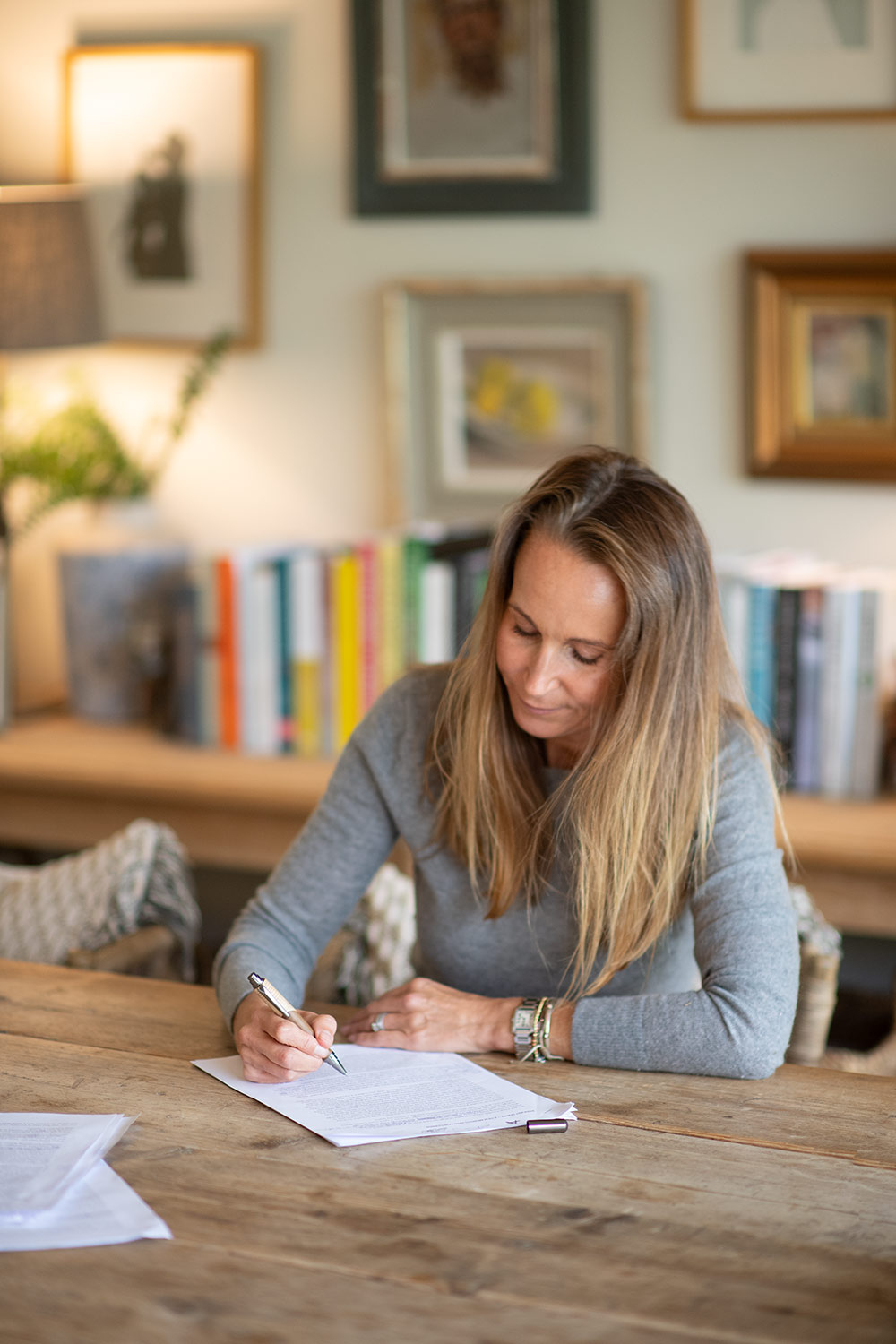
I try to make every newsletter deeply practical and completely current. No jargon. Just down-to-earth, relatable guidance you can use this week. I share what I’m learning, what’s working right now, and bring in what’s happening in my life in a way that relates to business, so it all feels practical and real. Like I’m sitting across from you having a conversation.
If you don’t currently receive my Thursday newsletter, there’s a link in the show notes to join. And you’re hugely welcome to reply… I read each one.
Why This Matters Right Now
Newsletters are having a real moment. People are craving something that feels real. After years of polished, algorithm-driven content, there’s this appetite for just hearing from a person.
The data backs this up. Average newsletter open rates are around 40-45%. Compare that to social media where you might reach 5-10% of your followers on a good day… often much lower. For newsletters, these are people who’ve actively signed up to hear from you, and almost half are opening what you send. That’s an extraordinary relationship.
Recent research found that readers prefer newsletters from independent people over branded content. Which means, as a solo creative entrepreneur, you have a natural advantage. People want to hear from you, the person, not from a brand.
What Makes a Really Strong Newsletter
From everything I’m seeing, a really strong newsletter comes down to three things.
Personal stories that connect. The newsletters I love share something from the week (something noticed, experienced) that naturally leads into their work. If you’re a florist who noticed the first anemones after a wet winter, and that made you think about patience and timing… that’s a story. The personal details matter because they’re what makes your newsletter feel like it was written by a person.
Your voice. Write your newsletter yourself. You can use AI to help refine and edit (it’s a good tool for that). But don’t let AI write it for you. Your voice is one of the most distinctive things about your business. The moment your newsletter sounds polished and generic, you’ve lost what makes people want to read it.
Consistency. This might be the most important one. It doesn’t have to be weekly… it could be fortnightly or monthly. What matters is that your audience knows when to expect you and trusts that you’ll show up.
What Doesn’t Work
Two things I see that don’t work: treating your newsletter like a sales email, and overthinking it.
If every newsletter is asking people to buy something, they stop opening them. The balance should be heavily towards genuine value. Skye McAlpine is brilliant at this… she’ll spend most of her newsletter talking about a flower market or what she cooked, then mention almost in passing that something’s available in her shop. It feels natural because it is.
And it doesn’t need to be a polished article. It needs to feel like you sat down and wrote something honest and helpful. That’s enough.
A quick note on platforms: I love reading Substacks, but I prefer to own my list, which is why I use Flodesk. Choose something that feels manageable for you, and start.
Why This Matters
Your newsletter sits alongside strategic outreach. Your website is your home. Your newsletter is how you keep the door open. Everything else (Instagram, Pinterest, collaborations) feeds into those two things.
As a creative person, you’re already naturally good at this. You notice things others walk past. You tell stories. You see the world in an interesting way. A newsletter is simply a place to share that consistently with people who want to hear it.
When you do this from the heart, people reply. They tell you what resonated. They share it. Over time, they feel like they know you. So when you have something to offer, you don’t have to work hard to explain who you are. That relationship is already there.
Your newsletter doesn’t need to be long, or polished, or perfect. It needs to be you. Consistently. Write about what happened this week, what you noticed, what you’re thinking about. Connect it naturally to what you do. Send it on the same day, at the same time. And see what happens.
Comments +